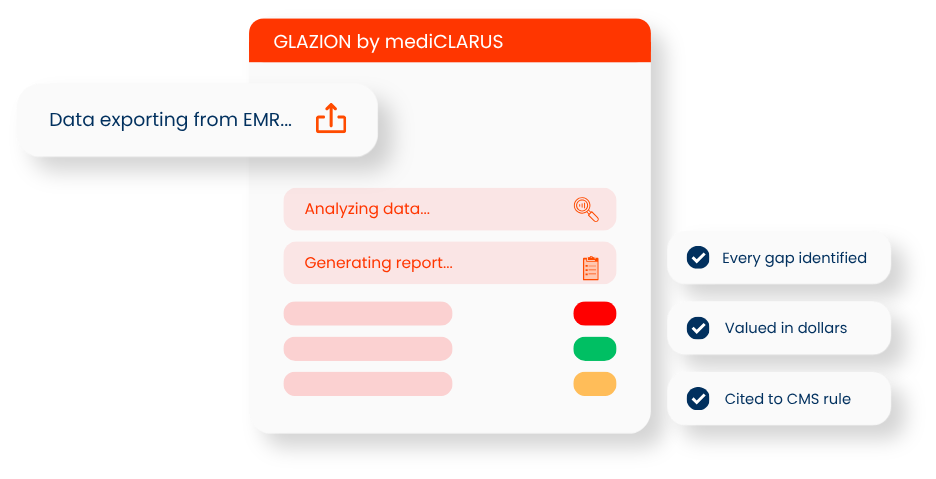
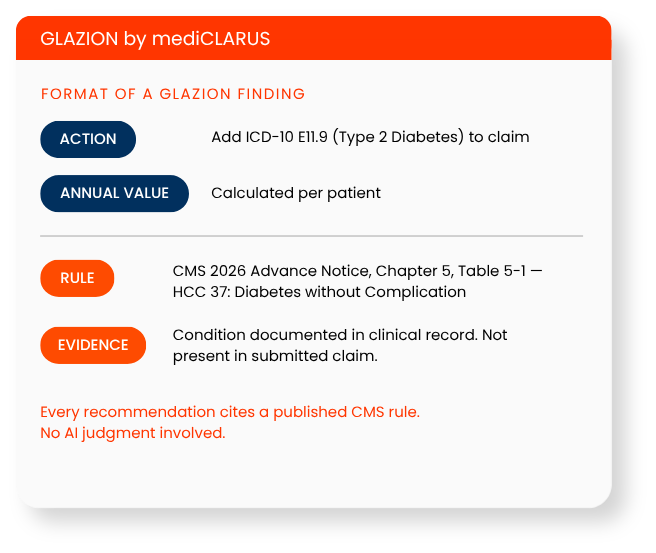
Two deterministic engines, one built to find coding gaps you already earned, one built to clear prior authorizations before you submit. Both cite the exact rule behind every answer.
Built to meet the standards
Primary Care answers to.
HIPAA Compliant
Every billing workflow protects patient data
CMS Rule-Cited
Every coding decision traces to a specific rule
U.S.-Based Oversight
A named US-based lead on every account
Audit-Ready by Design
Documentation ready before an auditor asks
Two Engines, One Architecture.
Engine 1
HCC Coding Gap Identification
mediCLARUS deploys a deterministic, neurosymbolic rule engine that identifies HCC coding gaps in Primary Care claims. Every flagged gap traces to a specific CMS risk-adjustment rule, so you can check the logic behind it yourself rather than trust a score.
Fit for Primary Care
Most commercial coding tools are tuned for specialty care, where documentation is deeper and claim volume is lower. This engine was built and validated against Primary Care’s actual conditions: high claim volume and thinner documentation depth, the exact environment where generic coding tools tend to miss the most.
Engine 2
Prior Authorization Determination
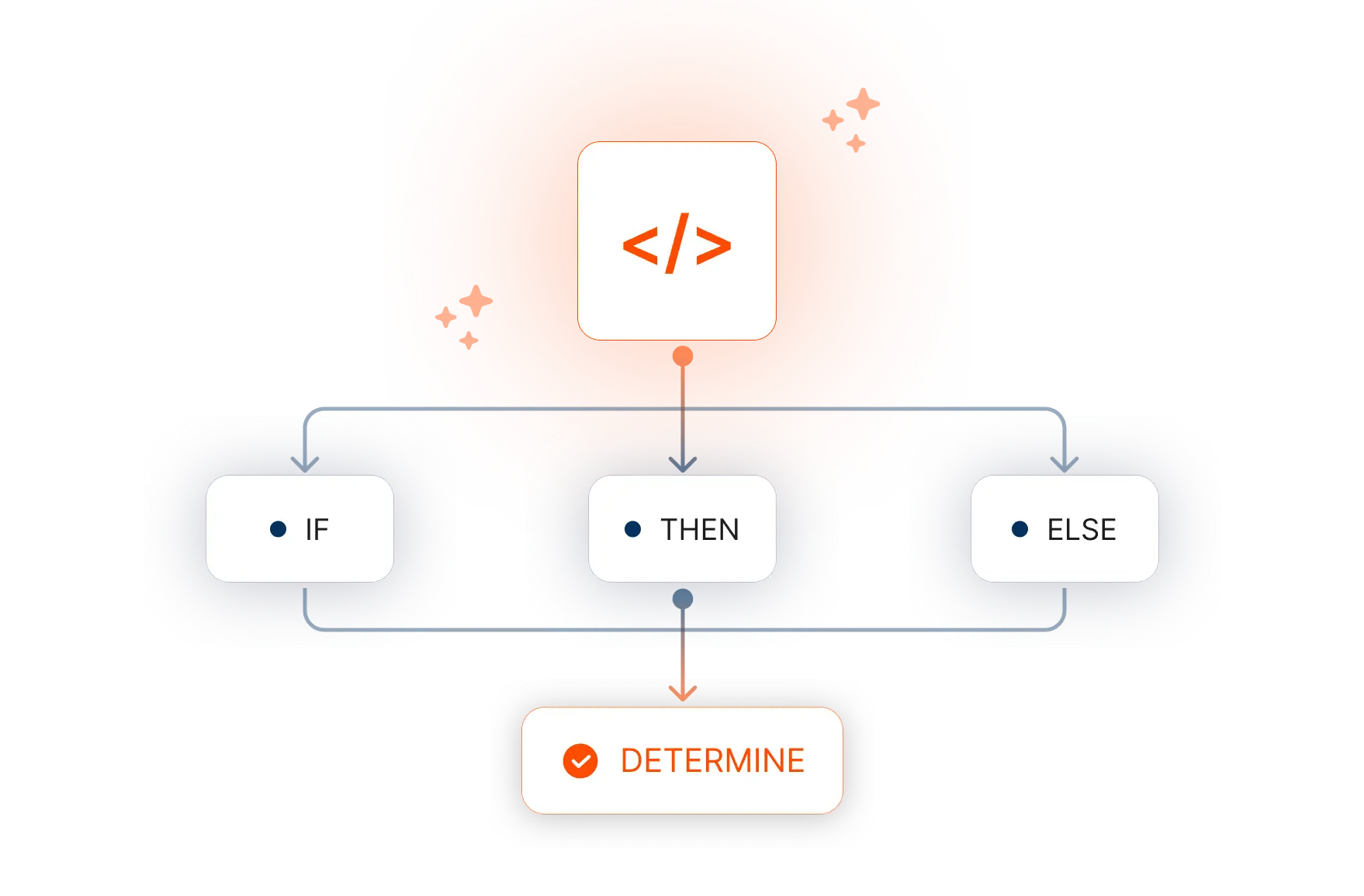
The same rule-based architecture extends forward. The engine ingests a payer’s medical necessity criteria alongside your clinical documentation, then determines whether a prior authorization request meets that payer’s approval criteria, citing the specific rule basis for the determination.
Fit for Primary Care
Most prior authorization tools on the market today predict denial probability from historical claims patterns. That approach cannot explain its reasoning in terms a payer or auditor can verify, and it degrades whenever a payer changes its rules, which happens often under MA. mediCLARUS instead encodes the payer’s actual decision logic, so the determination holds up because it’s accurate.
What Deterministic Actually Means
Rules, not guesses.
No Probabilistic Guessing
Every determination comes from encoded logic, not a pattern match.
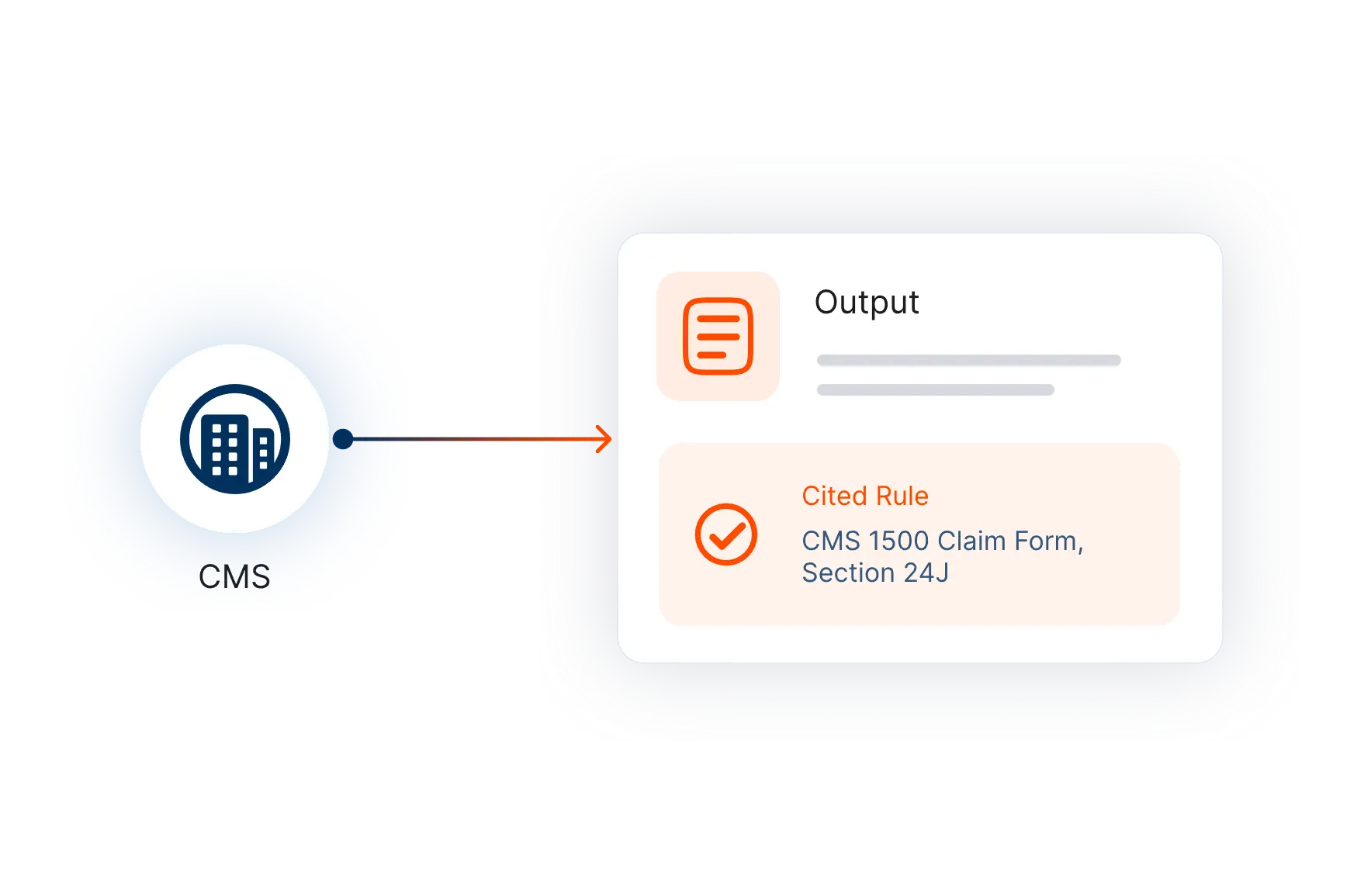
Cited to a Specific Rule
Every output names the exact CMS or payer rule behind it.
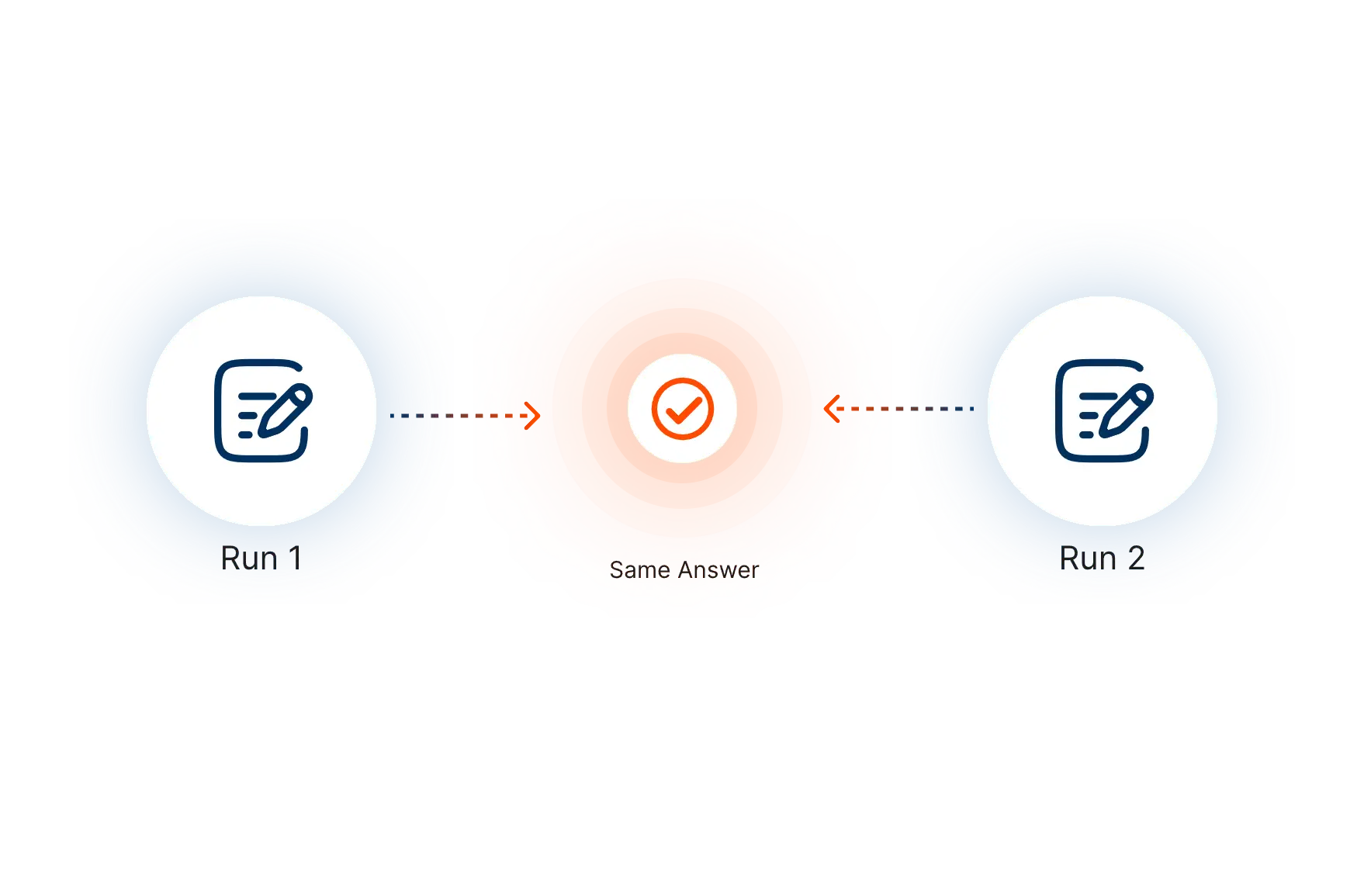
Reproducible, Every Time
Run the same documentation twice, get the same answer twice.
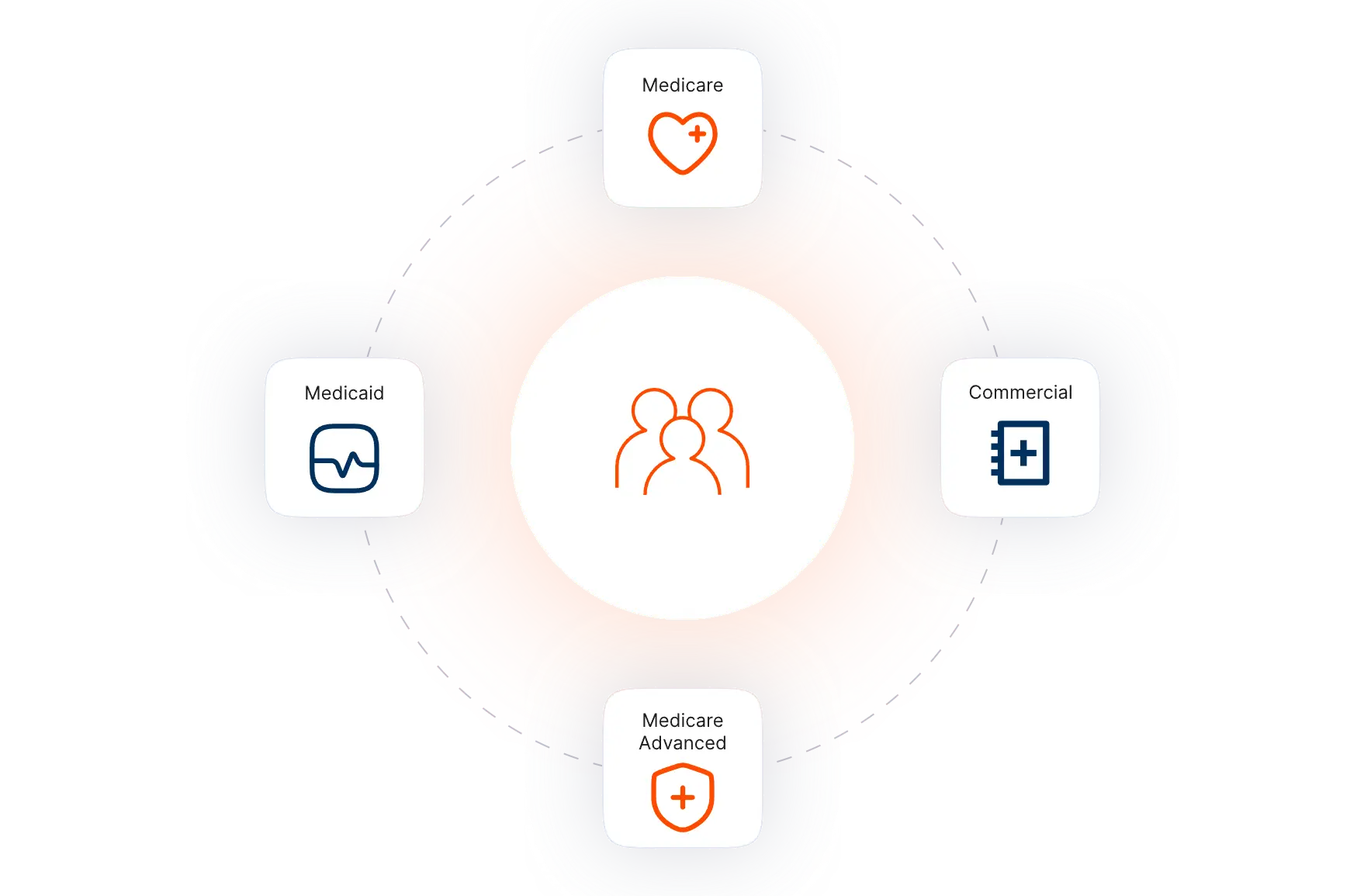
Built for Primary Care's Payer Mix
Tuned for high volume and thinner documentation, not specialty care.
How It Works
From documentation to a cited determination.
Ingest
Clinical documentation and the applicable payer's rules, whether CMS risk-adjustment criteria or a plan's medical necessity criteria, get pulled into the engine together.
Apply
The engine runs deterministic rule logic against that documentation. No pattern matching, no probability score.
Cite
You get a determination, coding gap or prior authorization outcome, with the exact rule behind it named and checkable.
Adaptability
Payer rules change. The engine is built to track them.
mediCLARUS’s engine encodes each payer’s actual criteria, so it can be updated as those criteria change instead of drifting the way a pattern-matching model does.
Payer-Specific Logic
Encodes each payer's actual criteria, not a generalized model trained on averages.
Full Citation Trail
Every determination names the rule it applied, start to finish.
Consistent Outputs
The same documentation returns the same determination, every time it's run.
Built on Real Claims Data
Validated against synthetic and sample Primary Care claims data before going anywhere near your practice.
Frequently Asked Questions
Straight answers about how the technology actually works.
What does "deterministic" mean, and why does it matter?
It means the engine follows encoded rules instead of predicting an answer from patterns. You get the same output from the same input every time, and every output names the rule behind it, which is what makes it auditable.
How is this different from AI-powered prior authorization tools already on the market?
Most of them predict denial probability from historical claims data. That’s a statistical guess, not a reason, and it can’t explain itself when a payer or auditor asks why. mediCLARUS encodes the payer’s actual approval criteria instead, so the determination has a cited basis.
What data was this validated against?
The coding gap engine was validated against synthetic and sample Primary Care claims data, built specifically to reflect Primary Care’s high volume and thinner documentation depth, rather than the specialty care environment most commercial coding tools are tuned for.
Does this replace my billing team?
No. It automates the rule-based review your team would otherwise do manually, so they can spend their time on the denials and patient conversations that actually need a person.
Is this HIPAA compliant?
Yes. Every workflow that touches patient data is built to HIPAA requirements, with U.S.-based compliance oversight on every account.